From a Club Fair to NASA: How Sonia Batheja Learned to Run a Project
Written by World Studios Staff
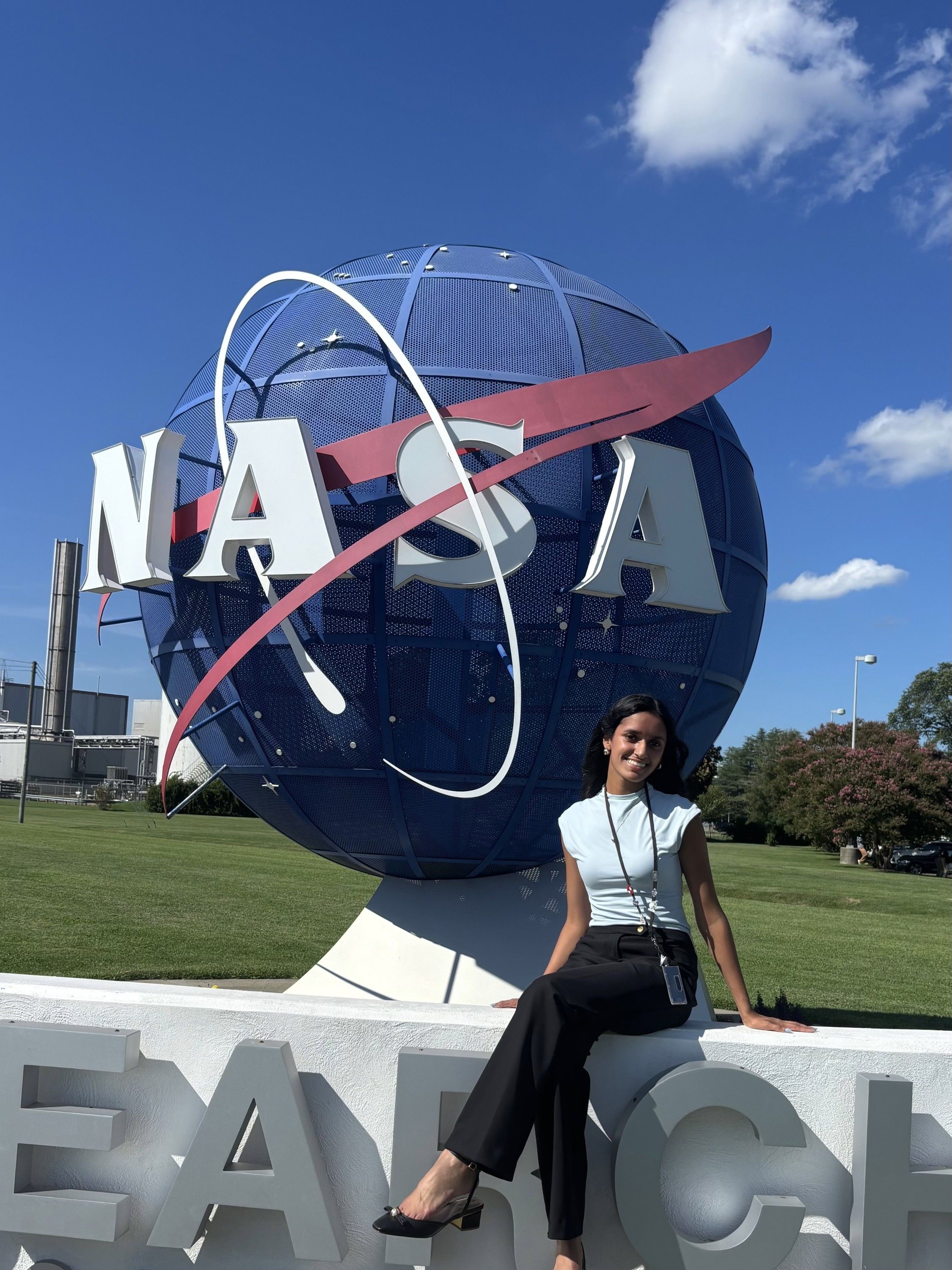
Sonia Batheja has always loved space.
So when she started hunting for internships her sophomore year of college, she kept an eye on NASA’s job board, looking for something that would marry her interest in product design with her enthusiasm for the cosmos. She found what she was looking for. This summer, she spent ten weeks on-site at NASA Langley’s Center Operations Directorate, the branch responsible for every piece of activity that happens on the physical campus, doing AI strategy and development for the team.
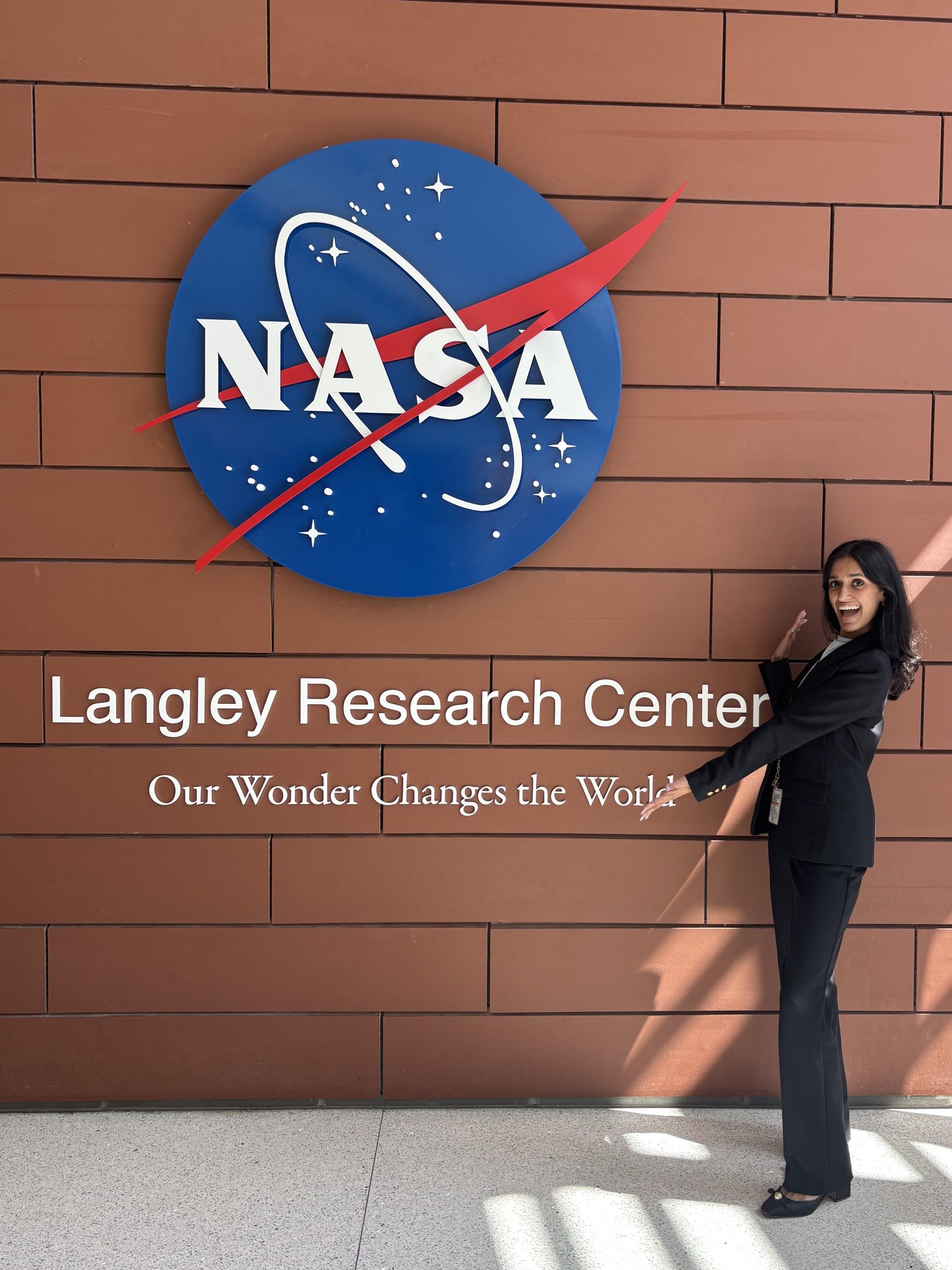
This story — and this accomplishment — all started with something startlingly simple: a club fair.
Sonia is a student at Carnegie Mellon University (CMU), working through an accelerated combined degree in Information Systems and AI. Freshman year, her friends were headed to a club fair on campus, and she tagged along without expecting much to come of it. That’s where she met Anna Matthews, then president of CMU’s World Studios (formerly Design for America) chapter. Anna talked about World Studio’s mission to work with real communities, which was appealing to Sonia, who was interested in working to solve real-world problems. She signed on.
Over her first two years, Sonia worked on two project teams. One involved partnering with CMU’s Office of Undergraduate Research to build an onboarding experience that helped undergrads figure out how to approach professors and pursue research opportunities, the other partnering with the Pittsburgh branch of Dress for Success to build a volunteer tracking system the nonprofit could use to demonstrate its impact and pursue funding. Both shipped. Sonia got to watch students and Dress for Success staff actually use what her teams built, something she says she might never have seen in a research position. "It actually amounted to something," she said.
“You could tell they were doing a lot of work to make sure the project was successful.”
What stuck with her most was her team leads, Michael Li freshman year and Sophie Hao sophomore year. Both were experienced in product design, and both delegated real ownership while making sure everyone had a voice in how the project progressed. "You could tell they were doing a lot of work to make sure the project was successful," she said. Sonia was never a team lead herself in World Studios, but watching multiple projects get built end to end, under leads who knew how to run that process, taught her what the steps actually were and gave her a template for leading one herself.
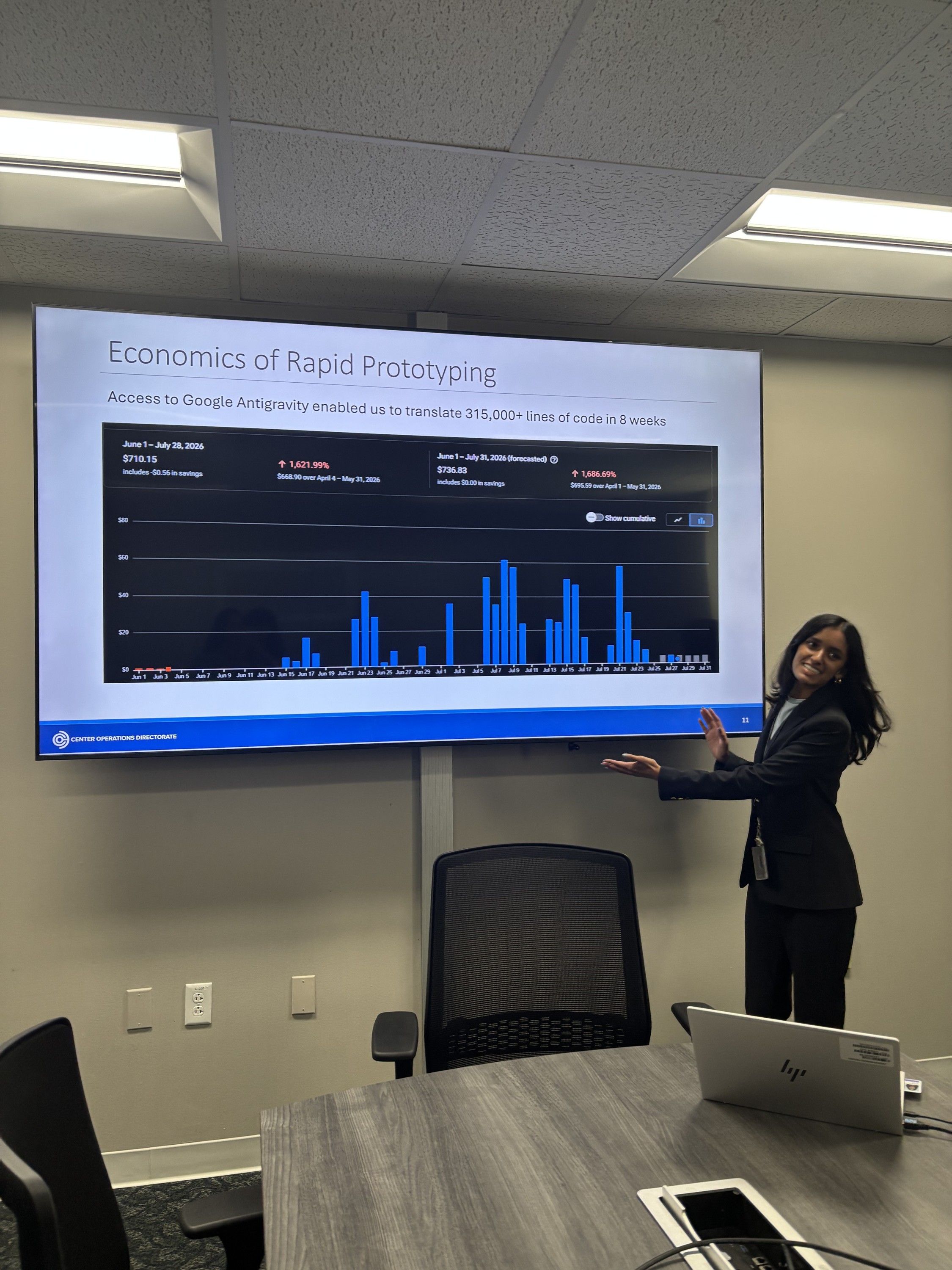
By the time Sonia reached NASA, she’d run the product lifecycle twice, start to finish, with real clients whose problems she had to understand from the ground up. She credits that experience with giving her the confidence she needed to win over NASA in her job interviews — and once she was there, the process was second nature. She understood how to facilitate client meetings, conduct requirements gathering, map a workflow, and knew when to check in and when to let people run. What took her team a year to complete at World Studios, she was now doing across nine projects in just a few months, and while delegating to two other interns. "Having the experience from World Studios, even not as a team lead, made it all feel much more natural, and we lost a lot less time," she said, "because at least one of us had experience doing this exact process."
“Do it, with my whole chest.”
Ask Sonia what she’d tell someone considering World Studios, and she doesn’t hesitate. "Do it," she says, "with my whole chest." She’s quick to add that you don’t have to be an expert going in. But you will walk out having built something real, and the experience to do it again.